Salsa Billa Font for Creative Projects
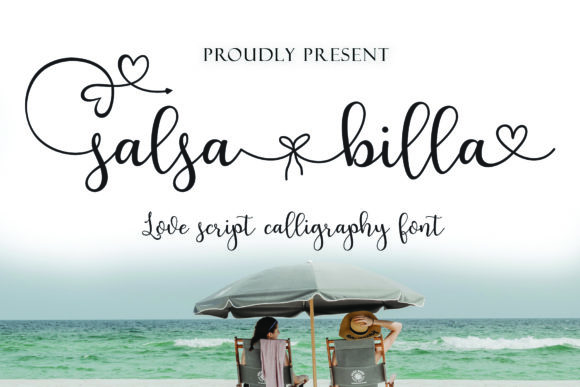
Working on a branding project for a small, independent café recently, I found myself scrolling through my font library, searching for something that could capture the warmth and charm of their vision. That’s when I came across Salsa Billa. It’s a script handwritten font that feels like a personal touch, with swashes and ligatures that add a romantic flair to any design.
Salsa Billa for Logo Design and Brand Identity
Salsa Billa is a premium font that brings a unique personality to logo design. When I first tested it on a mockup for the café’s logo, the soft curves and elegant flourishes immediately stood out. The font has a natural, handcrafted feel that makes it perfect for brands looking to convey authenticity and charm. It works well as a headline font, especially when paired with a clean sans serif or a classic serif typeface.
The PUA encoding ensures that all the special characters and ligatures are accessible without needing extra software, which is a huge plus for designers who want to focus on creativity rather than technical hurdles. I found that using Salsa Billa in combination with a bold, modern typography style can create a striking visual contrast that draws attention while maintaining professionalism.
Salsa Billa for Packaging Design and Product Labels
When designing packaging for the café’s coffee beans, I wanted something that felt personal and inviting. Salsa Billa was the ideal choice for the product labels. Its flowing lines and decorative elements gave the packaging a handmade quality that aligned perfectly with the brand’s aesthetic. Whether it’s a sticker, a tag, or a label, the font adds a touch of elegance that stands out on shelves.
I also experimented with using Salsa Billa on the café’s coffee cups and paper bags. The font looked great in both large and small sizes, and its readability made it suitable for short-form text. It’s a versatile script handwritten font that can be used in various contexts without losing its charm.
Salsa Billa for Social Media Graphics and Web Headers
For the café’s social media presence, I used Salsa Billa to create eye-catching Instagram posts and Facebook banners. The font’s expressive nature made it perfect for headlines and promotional content. It added a sense of movement and energy that resonated with the target audience.
On the website’s homepage, I placed Salsa Billa in the hero section to highlight the café’s story. The font’s romantic touch complemented the imagery and created a cohesive visual identity. It’s a display font that works well for web design when used sparingly, ensuring that the message remains clear and impactful.
Salsa Billa for Editorial Design and Print Materials
When working on printed marketing materials like flyers and brochures, I found that Salsa Billa brought a level of sophistication that elevated the overall design. Its intricate details and flowing strokes made it ideal for headings and subheadings, adding a sense of luxury and refinement.
Using Salsa Billa in editorial design required careful consideration of spacing and hierarchy. I made sure to balance the font with other elements to maintain readability. It’s a font that requires a bit of finesse but rewards the designer with a visually appealing result.
Salsa Billa for Brand Consistency and Audience Engagement
One of the key aspects of branding is consistency, and Salsa Billa helped maintain that throughout the café’s visual identity. From the logo to the packaging, the font provided a cohesive look that reinforced the brand’s message. It’s a font that can be used across multiple platforms, ensuring that the brand remains recognizable and memorable.
Audience engagement is also important, and Salsa Billa’s romantic and warm character helped create an emotional connection with the target audience. It’s a font that feels personal and authentic, making it ideal for businesses that want to build a strong relationship with their customers.
Salsa Billa for Commercial Design and Font Pairing
In commercial design, the ability to pair fonts effectively is crucial. I found that Salsa Billa pairs well with a variety of typefaces, including serif fonts for a classic look and sans serif fonts for a more modern feel. This flexibility allows designers to experiment and find the right balance for each project.
When using Salsa Billa in a full brand system, I recommended testing the font at different sizes and weights to ensure it works well in all applications. It’s a font that benefits from thoughtful pairing and careful implementation, making it a valuable addition to any designer’s toolkit.